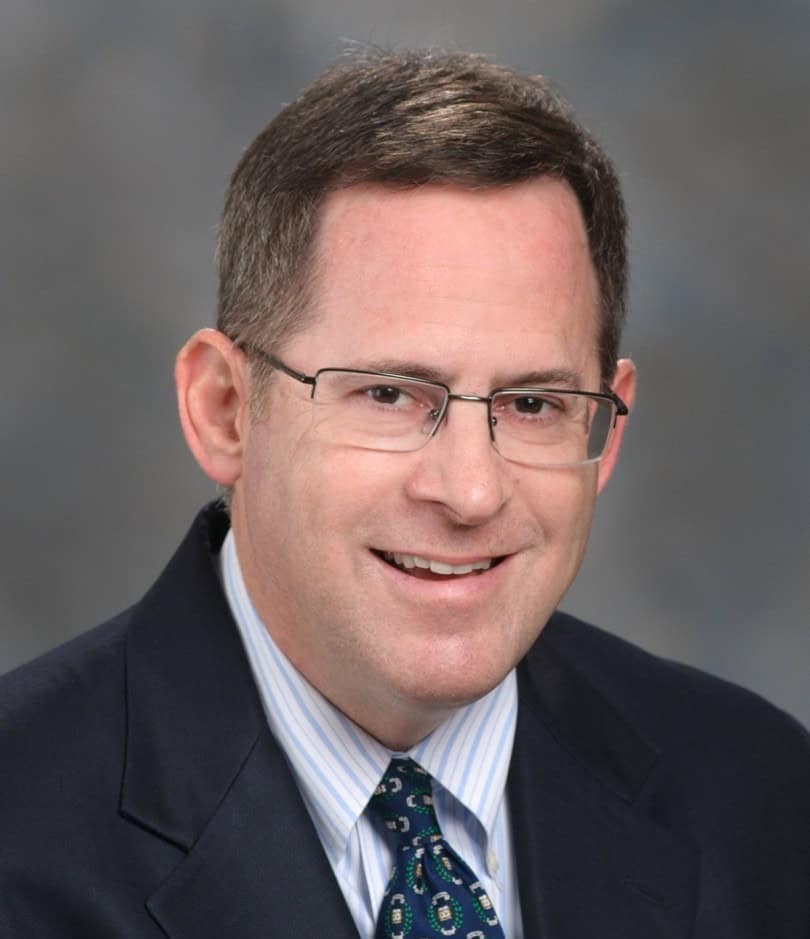
Professor, Breast Radiation Oncology,
Professor with Tenure, Breast Imaging,
The University of Texas MD Anderson Cancer Center,
Houston, TX
Dr. Gary J Whitman is Professor with Tenure in Breast Imaging and also Professor in Breast Radiation Oncology at the The University of Texas MD Anderson Cancer Center (MDACC) in Houston. He is Director of Research in Breast Imaging, Medical Director of the Mobile Mammogram Program and Lead Interpreting Physician for the MDACC Mammography program. He has served as chair of the MDACC faculty senate is currently a faculty senate navigator.
Before to coming to MDACC in 1996, Dr Whitman trained at the Cleveland Clinic and held faculty appointments at Harvard Medical School and Massachusetts General Hospital.
Dr Whitman has held leadership roles in several national radiology organizations. Starting in 2022, he served as the 122nd President of the American Roentgen Ray Society (ARRS). He is a Past President of the Association of Academic Radiology. He is President of the Society of Breast Imaging and has served on the Board of Governers at the American Institute of Ultrasound in Medicine.
Dr Whitman served as assistant editor at-large for American Journal of Roentgenology where he was also the CME test reviewer and liaison for more than eight years. He has served on the editorial board of Imaging Cancer, Journal of Digital Imaging, Diagnostics, Annals of Breast Surgery, Journal of Breast Imaging, Ultrasound Quarterly, RSNA News, The Breast Journal, American Journal of Sonography, Journal of Clinical Imaging Science, Radiology Case Reports, and the Journal of Ultrasound in Medicine.
Dr Whitman’s clinical interests include the full range of breast imaging modalities — mammography, ultrasound, and MRI — while his research has centered on topics such as screening high-risk patients, evaluating suspicious breast lesions, inflammatory breast cancer, and assessing axillary lymph nodes. He is also interested in how radiomics and MRI might help predict how triple-negative breast cancer responds to treatment and the growing role artificial intelligence in risk assessment and treatment planning. He has co-authored over 200 peer reviewed articles.